SOL

🔗Home

🔗About Us

🔗Contact & Subscribe

🔗Services

🔗Terms of Use

🔗Thoughts on Security

🔗 Start a project
  • Why Strategic Risk Integration Matters in 2025 (and How It Keeps Us Safer)

    Why Strategic Risk Integration Matters in 2025 (and How It Keeps Us Safer)

    In 2025, it feels like we’re all living closer to risk than ever before. Between cyberattacks, climate disruptions, political tensions, and economic shake-ups, it’s clear that risks aren’t just coming from one direction — they’re hitting from everywhere, often at once.

    For individuals, communities, and organizations alike, this means one thing: we can’t afford to treat risk as something that only “security teams” or “IT departments” worry about. Today, risk has to be part of the way we think, plan, and act — at every level.


    What Is “Strategic Risk Integration,” Really?

    Put simply, it means making sure risk awareness is baked into everything — your goals, your day-to-day decisions, and your big-picture planning.

    Instead of scrambling to put out fires after something goes wrong, strategic risk integration helps us:

    • Spot potential threats earlier
    • Understand how different risks connect
    • Make smarter choices today that protect us tomorrow

    Why It’s So Critical in 2025

    Here is what has changed — and why a more strategic approach to risk is no longer optional:

    Risks Are Interconnected

    A ransomware attack can knock out a hospital. A drought can disrupt supply chains across borders. One event can trigger five more. Siloed responses just dos not cut it anymore.

    Being Proactive Saves More Than Money

    Reacting after the fact often means higher costs, damaged trust, or even harm to people. Building risk into your strategy helps avoid worst-case outcomes.

    It Builds Trust and Resilience

    People want to work with — and for — organisations that plan ahead, stay calm in crises, and care about long-term impact. Integrated risk thinking helps you be that kind of leader.


    How to Make Risk Part of Your Everyday Strategy (Without Making It Overwhelming)

    Here are some simple but powerful ways to bring risk awareness into how you work or lead — even if you’re not a risk expert:

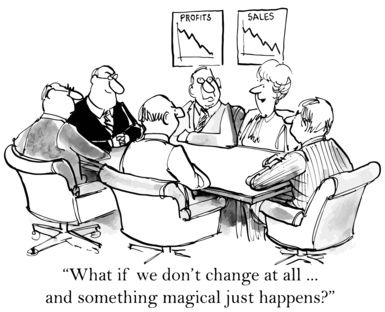
    1. Ask “What if?” Regularly

    • What if our systems went down tomorrow?
    • What if a key partner couldn’t deliver?
    • What if new laws changed how we operate?

    Asking early can highlight blind spots before they become emergencies.

    2. Build Risk Conversations Into Planning

    Don’t save risk talks for the end of the meeting. Bring them in when you’re setting goals, choosing vendors, or launching new projects.

    3. Connect the Dots

    Think about how a cyber issue might impact your customer service, or how a climate event could affect your team’s well being. Risks rarely stay in one lane.

    4. Invest in Your People

    Train your teams — not just your IT crew — to think critically about risk. When everyone sees it as their responsibility, your organisation becomes stronger.

    5. Use Real Data, Not Just Gut Feelings

    There are great tools and reports that show the biggest global threats (like the World Economic Forum’s Global Risks Report). Use them to shape real-world strategy.


    Bottom Line: Strategic Risk Integration Helps You Lead, Not Just Survive

    In 2025, smart leadership means embedding risk into your strategy, not bolting it on afterward.

    Whether you’re managing a team, running a business, or helping your community, being proactive about risk gives you clarity, agility, and strength in a world that’s always shifting.

    You don’t need to predict the future — you just need to be ready to respond wisely when it changes.

    Share this:

    • Share on X (Opens in new window) X
    • Share on Facebook (Opens in new window) Facebook
    Like Loading…
    SOL

    ← Back

    Thank you for your response. ✨

    Rating(required)

    Assess – Investigate – Advise


      Discover more from SOL

      Subscribe to get the latest posts sent to your email.

    • AI-Powered Cyberattacks: The Evolving Threat Landscape

      AI-Powered Cyberattacks: The Evolving Threat Landscape

      Imagine receiving a call from your CEO, asking you to authorise a payment—only it’s not really them. In 2025, deepfake technology powered by AI is making this terrifyingly common. As AI reshapes our digital world, cybercriminals are harnessing its power to launch faster, smarter, and more deceptive attacks than ever before.

      In 2025, the integration of artificial intelligence (AI) into cybersecurity has introduced a new era of cyber threats. While AI offers significant advancements in various fields, it has also become a tool for cybercriminals, making attacks more sophisticated, automated, and challenging to detect.

      A notable incident involved a finance worker in Hong Kong who was deceived into transferring $25 million after a video call with what appeared to be the company’s CFO. The call was a deepfake, highlighting the effectiveness of AI in executing cyberattacks. This is one real life example, we are seeing a lot more and across fields – not just the high financial targets.

      What Are AI-Powered Cyberattacks?

      AI-powered cyberattacks leverage machine learning and advanced algorithms to enhance the effectiveness of traditional cyber threats. These attacks include:

      • AI-Driven Phishing: Cybercriminals use AI to craft highly personalized phishing emails that mimic the tone and style of legitimate communications, increasing the likelihood of deceiving recipients.
      • Deepfake Impersonation: Attackers employ deepfake technology to create realistic audio and video content, impersonating executives or trusted individuals to manipulate victims into transferring funds or divulging sensitive information.
      • Autonomous Malware: AI enables malware to adapt and evolve in real-time, allowing it to bypass traditional security measures and evade detection. ​

      Key Risks from AI-Driven Threats

      The rise of AI-powered cyberattacks brings several risks:

      • Financial Loss: Sophisticated scams can lead to significant financial theft. For instance, a deepfake scam in Hong Kong resulted in a $25 million loss.
      • Reputational Damage: Organizations targeted by AI-driven attacks may suffer from loss of trust and credibility.​
      • Data Breaches: Advanced malware can infiltrate systems, leading to unauthorized access and potential data breaches.​
      • Operational Disruption: Autonomous malware can disrupt business operations by corrupting data or disabling systems.​

      How to Protect Against AI Cyberattacks

      To protect against AI-powered cyberattacks, consider the following strategies:

      • Implement Multi-Factor Authentication (MFA): Enhance security by requiring multiple forms of verification before granting access to systems.​
      • Educate Employees: Conduct regular training sessions to raise awareness about AI-driven threats and safe online practices.​
      • Deploy Advanced Security Solutions: Utilize AI-based security tools that can detect and respond to emerging threats in real-time.​
      • Regularly Update Systems: Ensure that all software and systems are up-to-date with the latest security patches.​
      • Monitor Network Activity: Implement continuous monitoring to detect unusual behavior indicative of a potential breach.​

      By understanding the capabilities of AI-powered cyberattacks and implementing proactive measures, individuals and organisations can better defend against these evolving threats. AI is transforming cybersecurity—and the threats are growing smarter by the day.

      But with the right awareness, tools, and vigilance, we can turn the tide. Don’t wait to become a headline. Strengthen your cyber resilience today. Stay informed, stay vigilant, and prioritise cybersecurity to safeguard your digital assets.


      References

      Fortinet Threat Report: AI Fuels Record Surge in Automated Cyberattacks: https://www.securityinfowatch.com/cybersecurity/press-release/55286272/fortinet-threat-report-ai-fuels-record-surge-in-automated-cyberattacks
      AI-generated phishing scams target corporate executives: https://www.ft.com/content/d60fb4fb-cb85-4df7-b246-ec3d08260e6f
      AI will make scam emails look genuine, UK cybersecurity agency warns: https://www.theguardian.com/technology/2024/jan/24/ai-scam-emails-uk-cybersecurity-agency-phishing?utm_source=chatgpt.com
      The rise of deepfake scams — and how not to fall for one: https://www.ft.com/content/fcbdc88f-bbfd-4338-915a-9ef7970b2123
      The AI-enhanced cyber attack: What your organisation needs to know: https://interface.media/blog/2024/11/13/the-ai-enhanced-cyber-attack-what-organisations-need-to-know/
      AI and AI-agents move the cybersecurity goalposts: https://it-online.co.za/2025/03/12/ai-and-ai-agents-move-the-cybersecurity-goalposts/
      7 AI Cybersecurity Trends For The 2025 Cybercrime Landscape: https://explodingtopics.com/blog/ai-cybersecurity
      AI could empower and proliferate social engineering cyberattacks: https://www.weforum.org/stories/2024/10/ai-agents-in-cybersecurity-the-augmented-risks-we-all-need-to-know-about/
      The Rise of AI-Powered Cyberattacks: Are We Prepared? https://dailysecurityreview.com/blog/the-rise-of-ai-powered-cyberattacks-are-we-prepared/
      The Rise of AI in Cybersecurity: The Threats: https://4thplatform.co.uk/2024/12/13/the-rise-of-ai-in-cybersecurity-the-threats/
      Why AI-Powered Cyberattacks Will Be the Top Concern for Executives in 2025: https://globalcybersecuritynetwork.com/blog/why-ai-powered-cyberattacks-will-be-the-top-concern-for-executives/
      AI-Driven Threats: The Global Cybersecurity Battle of 2025: https://hoploninfosec.com/ai-driven-threats-global-cybersecurity-battle/

      Share this:

      • Share on X (Opens in new window) X
      • Share on Facebook (Opens in new window) Facebook
      Like Loading…
      SOL

      ← Back

      Thank you for your response. ✨

      Rating(required)

      Assess – Investigate – Advise


        Discover more from SOL

        Subscribe to get the latest posts sent to your email.

      • The Benefits of a Critical Incident & Crisis Management Team

        The Benefits of a Critical Incident & Crisis Management Team

        In today’s fast-paced world, unforeseen events can pose significant risks to organisations—whether these are natural disasters, cyber-attacks, or internal emergencies. That’s why many organisations, from companies to NGOs, are investing in critical incident or crisis management teams. These teams are essential in minimising damage, maintaining business continuity, and protecting the organisation’s reputation during a crisis.

        What is a Critical Incident Management Team?

        A critical incident management team is a dedicated group of professionals trained to respond quickly and efficiently when an unexpected event or crisis occurs. Their responsibilities may include:

        • Assessment: Quickly evaluating the situation.
        • Response: Initiating emergency protocols to mitigate damage.
        • Communication: Coordinating information internally and externally.
        • Recovery: Helping the organisation return to normal operations.

        This team is often on-call, ensuring that when a critical incident strikes, a coordinated, well-prepared response is just a phone call away.

        What is a Threat Management Team?

        A threat management team, on the other hand, is typically more proactive. Rather than waiting for a crisis to occur, they continuously monitor, analyse, and mitigate potential risks before they escalate into critical incidents. Their tasks include:

        • Risk Assessment: Identifying vulnerabilities and potential threats.
        • Preventive Measures: Developing strategies to reduce risks.
        • Ongoing Monitoring: Keeping an eye on emerging threats and trends.

        In most instances you would see a middle or senior management or director team managing or taking responsibility for the organisational threats.

        While both critical incident and threat management teams aim to safeguard the organisation, the crisis management team is about reacting to emergencies, and the threat management team is about preventing them and ensuring mitigation and contingency is in place for the critical management team to manage the incident.

        The Benefits of Having a Crisis Management Team

        Implementing a robust crisis management team offers several advantages:

        • Rapid Response: A dedicated team reduces response times during emergencies.
        • Expertise Under Pressure: Trained professionals can navigate the complexities of a crisis with calm and precision.
        • Protection of Assets: Minimises potential damage to people, property, and reputation.
        • Improved Communication: Ensures clear, consistent messaging internally and externally.
        • Business Continuity: Helps maintain operations, even during severe disruptions.

        Building Your Critical Incident/Crisis Management Team: A Step-by-Step Checklist

        Whether you’re a security manager, HR professional, company director, or NGO board member, here’s a checklist to guide you through building a resilient crisis management framework:

        1. Assess Your Organisation’s Needs

        • Identify potential threats: Conduct a thorough risk assessment.
        • Evaluate current protocols: Determine if existing procedures are sufficient.

        2. Define Roles and Responsibilities

        • Select team members: Choose individuals from diverse departments (security, HR, communications, etc.).
        • Outline roles: Clearly define each member’s responsibilities during a crisis.
        • Establish leadership: Appoint a team leader or Chair, to coordinate efforts.

        3. Develop and Document Procedures

        • Create an emergency response plan: Outline step-by-step actions for various scenarios.
        • Develop communication protocols: Specify how to communicate internally and externally.
        • Integrate threat management: Ensure preventive measures are part of the overall strategy.

        4. Training and Drills

        • Conduct regular training: Ensure team members are familiar with their roles.
        • Simulate crisis scenarios: Organise drills to test and refine the response plan.
        • Update training: Incorporate lessons learned from drills and real incidents.

        5. Engage Stakeholders

        • Educate employees: Inform all staff about the crisis management plan.
        • Communicate with leadership: Keep the board and management informed.
        • Build external relationships: Coordinate with local emergency services and other relevant organisations.

        6. Review and Update

        • Schedule periodic reviews: Regularly assess and update your plans.
        • Incorporate feedback: Use insights from drills and actual incidents to improve procedures.
        • Adapt to new threats: Stay updated on emerging risks and adjust your strategy accordingly.

        Tailored Guidance for Different Roles

        • For Security Managers:
          Focus on the integration of technical, physical, and cybersecurity measures. Ensure that the response plan is aligned with current security protocols and that your team has access to the latest threat intelligence.
        • For HR Professionals:
          Prioritise the well-being of employees and identify what the organisational duty of care is aligned with policy. Develop clear protocols for employee safety, communication during crises, and post-incident support services. Consider training modules that cover stress management and crisis communication.
        • For Company/NGO Directors or Board Members:
          Provide strategic oversight and ensure that adequate resources are allocated for crisis management. Regularly review risk assessments and the effectiveness of crisis protocols. Engage in high-level discussions about crisis preparedness and the organisation’s resilience.

        By following this checklist and ensuring each role understands its contribution, organisations can build a comprehensive crisis management framework that not only protects assets and people but also enhances overall resilience. In today’s unpredictable environment, preparation is the best defense.

        Remember, a well-prepared organisation isn’t immune to crises—it’s just much better equipped to manage them effectively.

        Share this:

        • Share on X (Opens in new window) X
        • Share on Facebook (Opens in new window) Facebook
        Like Loading…
        SOL

        ← Back

        Thank you for your response. ✨

        Rating(required)

        Assess – Investigate – Advise


          Discover more from SOL

          Subscribe to get the latest posts sent to your email.

        • The Global Security Risk We Can’t Ignore: AI-Driven Cyber Attacks

          The Global Security Risk We Can’t Ignore: AI-Driven Cyber Attacks

          In our rapidly evolving digital world, new technologies bring incredible benefits—but they also open the door to sophisticated threats. As a security professional, I’ve seen firsthand how cyber criminals are leveraging artificial intelligence (AI) to launch smarter, more targeted attacks. Today, I’d like to explain what this risk means for you and offer simple steps to help you stay safe.

          What Are AI-Driven Cyber Attacks?

          Traditionally, cyber attacks often involved mass phishing emails or brute-force hacks that targeted as many people as possible. Now, with AI, attackers have taken their game to a whole new level:

          • Personalised Phishing: AI can analyse social media profiles and public data to craft messages that appear perfectly tailored to you. This makes it much harder to spot fraudulent emails.
          • Deepfake Impersonation: Imagine receiving a video call from someone who looks and sounds exactly like your company’s CEO asking for confidential information. AI-generated deepfakes are making this a worrying reality (and if you haven’t seen this Instagram post you should… no words).
          • Automated Intrusions: Cyber criminals are using AI to identify vulnerabilities in systems faster than traditional methods, automating the process of breaching security defenses.

          These AI-driven methods allow attackers to bypass traditional security measures, making the threat not only more sophisticated but also more widespread.

          How Does This Affect You?

          You might wonder: “Am I really at risk?” The answer is yes—no one is immune. While large corporations often have advanced security systems in place, individuals and small businesses can be prime targets. Cyber criminals are constantly scouting for any vulnerability, and with AI, their ability to pinpoint and exploit weaknesses has increased dramatically.

          Protecting Yourself Against AI-Powered Threats

          Fortunately, you don’t need to be a cybersecurity expert to defend against these risks. Here are some straightforward steps you can take:

          1. Keep Software Updated: Regular updates patch security vulnerabilities that attackers might exploit.
          2. Use Strong, Unique Passwords: A robust password manager can help generate and store complex passwords.
          3. Enable Multi-Factor Authentication (MFA): MFA adds an extra layer of security by requiring more than just your password for account access.
          4. Be Cautious of Unsolicited Communication: Whether by email, phone, or video call, always verify the identity of the person reaching out, especially if they request sensitive information.
          5. Backup Your Data Regularly: In case of a breach, having up-to-date backups can minimize disruption and data loss.
          6. Stay Informed: Follow trusted sources for cybersecurity news and updates so you’re aware of emerging threats and best practices.

          Why Awareness Is Key

          Understanding the nature of these AI-driven threats is the first step in protecting yourself. Cybersecurity isn’t just the responsibility of large organisations—it’s something we all need to consider in our everyday digital lives. By staying informed and taking proactive measures, you can significantly reduce your risk of becoming a target.


          In today’s digital age, where the line between convenience and vulnerability is increasingly blurred, taking simple, practical steps can make a big difference. Remember: while AI offers powerful tools for innovation, it also equips cyber criminals with unprecedented capabilities. Staying vigilant, updating your defenses, and being cautious about unexpected communications are essential in navigating this brave new world of digital threats.

          Stay safe, stay informed, and let’s work together to create a more secure online environment for everyone.

          Share this:

          • Share on X (Opens in new window) X
          • Share on Facebook (Opens in new window) Facebook
          Like Loading…
          SOL

          ← Back

          Thank you for your response. ✨

          Rating(required)

          Assess – Investigate – Advise


            Discover more from SOL

            Subscribe to get the latest posts sent to your email.

          • A Guide To Critical Event Management

            A Guide To Critical Event Management

            📄 🔗 A Guide To Critical Event Management
            Start a project

            Why Security Preparedness Can’t Be Ignored

            Turn on the news, and it’s clear: mass shootings, extreme weather events, data breaches, and international incidents have become regular occurrences. For those responsible for keeping employees safe, these events can be unsettling. While it may seem easy to dismiss them as isolated incidents with little impact on your people and assets, that perception can change in an instant.

            As the threat landscape continues to expand and evolve, the need for effective critical event management is more urgent than ever. Organisations must prioritise duty of care, resilience, and minimising the impact of unexpected events on operations. Recent studies show that 87% of organisations faced at least one critical event in 2020, not including the pandemic, with large companies dealing with an average of four significant threats over two years where 2021 to 2024 we have seen major increases in cyber crimes, wars and political distress. These numbers highlight the growing need for security teams to secure resources and personnel to address these increasing challenges.

            Understanding and Managing Critical Events

            Critical events occur when risks intersect with a company’s key assets—such as its people, infrastructure, and reputation. These incidents, whether internal like a data breach or external like severe weather can escalate quickly. Effective management of these events hinges on the right technology and approach, making the difference between a major crisis and a near miss.

            The modern business environment is increasingly complex, with internal and external threats requiring significant effort to manage. Limited resources and support can exacerbate these challenges, leading to serious consequences like financial loss and reputational damage. Furthermore, today’s interconnected business operations mean that what seems like an isolated issue can impact various aspects of the organization.

            No company is immune to critical events, regardless of size. To prepare, businesses need to leverage advanced security technologies that enhance their readiness and response as well as external expertise. A shift from reactive to proactive measures is essential.

            Businesses can build resilience, improve their response capabilities, and manage critical events more effectively. Continuous monitoring and proactive planning are key to minimising impacts and ensuring a swift recovery.

            Share this:

            • Share on X (Opens in new window) X
            • Share on Facebook (Opens in new window) Facebook
            Like Loading…
            SOL

            ← Back

            Thank you for your response. ✨

            Rating(required)

            Assess – Investigate – Advise


              Discover more from SOL

              Subscribe to get the latest posts sent to your email.

            • The New Era of Data-Centric Business: Embracing Holistic Security

              The New Era of Data-Centric Business: Embracing Holistic Security

              Navigating the Shift in Data Security

              As businesses become increasingly data-centric, traditional methods of managing data are falling behind. The exponential growth in data volume and complexity has exposed vulnerabilities in outdated systems, pushing companies to rethink their data management strategies. What worked in the past is no longer enough to capture, store, and secure the vast amounts of information businesses now rely on.

              Today’s environment demands data management programs that are innovative, flexible, and cost-efficient, while providing fast access to information. However, this need for rapid data access often clashes with IT’s responsibility to ensure security. The result? A rise in shadow IT, where teams create workarounds to bypass security protocols, leading to potential risks.

              This evolving landscape requires businesses to balance the demand for quick access to data with the need for strong data security. IT teams and business units must collaborate to develop secure, agile systems that meet both business and security needs.

              In an era of increasing cyber threats, organisations must adapt to these challenges. Success lies in aligning business goals with robust security practices, creating a unified approach that ensures both data accessibility and protection.

              Securing Data in the Modern Digital Age: Embracing Holistic Security

              In today’s data-driven world, businesses have become increasingly reliant on managing vast amounts of information. Traditional methods for handling data are no longer sufficient, as rapid growth in data volume and diversity exposes vulnerabilities in security systems.

              The challenge is clear: businesses need fast access to data for agility and innovation, but this often conflicts with IT’s responsibility to safeguard that data. This tension can lead to risky workarounds, like shadow IT, where teams find alternative ways to access critical information, bypassing proper security protocols.

              To protect both data and business operations, organisations must adopt a holistic security strategy. This approach balances the need for data accessibility with the imperative to maintain robust digital safeguards. IT and business teams must collaborate to ensure data can be accessed securely, without compromising the company’s reputation, privacy, or competitive edge.

              In this rapidly evolving landscape, striking this balance is key to both innovation and security.

              In this new era, holistic security management involves:

              1. Innovation in Data Management: Recognising that the traditional methods no longer suffice, businesses are investing in innovative data management strategies. These strategies encompass advanced data storage, processing, and retrieval mechanisms that prioritise both security and accessibility.
              2. Flexibility and Agility: A holistic security approach acknowledges that business needs evolve rapidly. It provides the agility required to adapt data management processes to changing requirements, without compromising on security.
              3. User-Centric Experiences: User experiences are at the forefront of the holistic security model. This ensures that business teams can access the information they need seamlessly, eliminating the need for shadow IT workarounds.
              4. Cost-Effective Solutions: By aligning the needs of business teams with IT’s expertise, holistic security management aims to optimise costs while delivering effective solutions. This efficiency ensures that resources are utilised judiciously.
              5. Collaboration: A culture of collaboration is fostered, breaking down the barriers between business units and IT. The result is a cohesive effort to create secure data management solutions that drive the organisation forward.

              In conclusion, the convergence of data-centric business and digital information security is a pivotal moment for organisations. Embracing holistic security management is not just a choice; it’s a necessity. By striking the right balance between accessibility and security, businesses can thrive in the data-driven age, safeguarding their information assets while driving innovation and growth.

              Share this:

              • Share on X (Opens in new window) X
              • Share on Facebook (Opens in new window) Facebook
              Like Loading…
              SOL

              ← Back

              Thank you for your response. ✨

              Rating(required)

              Assess – Investigate – Advise


                Discover more from SOL

                Subscribe to get the latest posts sent to your email.

              • Stay Prepared: Understanding Travel Risks

                Stay Prepared: Understanding Travel Risks

                Crisis Events in Low-Risk Destinations reproduced from Global Guardian.

                📄 🔗 Travel Risk Practices for a Dynamic World

                Even in places that seem safe, it’s important for companies to have strong travel safety plans and be ready to respond to any issues. This is a key part of their responsibility to keep their employees safe, or for you as a parent, or head of a household and that means including just a basic family holiday.

                As we approach the December holidays, a time when many of us plan to relax and travel, it’s important to remember that even seemingly safe destinations can face unexpected risks. Tragic fires on the Hawaiian island of Maui serve as a stark reminder that disasters can strike anywhere, even in peaceful locations.

                Many of us tend to worry about dramatic incidents like shark attacks or plane crashes, but the reality is that more common risks, like car accidents or natural disasters, pose much greater threats. These hidden dangers are why it’s essential to be prepared, no matter where you’re traveling.

                This holiday season, we’re seeing a rise in unpredictable events worldwide, including natural disasters, crime, and political unrest. Fires, storms, and other environmental events are becoming more frequent due to climate change. Crises can happen with little to no warning, and in today’s complex world, the safety of your loved ones is something that needs careful thought and preparation.

                For those traveling during the holidays, it’s important to know:

                • What happens if someone loses a passport or phone? Is there a clear plan to help them?
                • In case of a medical emergency, how will they get help and, if necessary, be evacuated to safety?
                • If a major crisis occurs—like a natural disaster, political unrest, or even an active shooter—who will bring them to safety, and how will their family be informed?

                Ensuring your family is safe isn’t just about having a plan; it’s about knowing that in a crisis, support is available and action can be taken quickly. With holiday travel just around the corner, taking these steps to prepare can make all the difference.

                Share this:

                • Share on X (Opens in new window) X
                • Share on Facebook (Opens in new window) Facebook
                Like Loading…
                SOL

                ← Back

                Thank you for your response. ✨

                Rating(required)

                Assess – Investigate – Advise


                  Discover more from SOL

                  Subscribe to get the latest posts sent to your email.

                • Building a Wildfire Preparedness Plan (🎧)

                  Building a Wildfire Preparedness Plan (🎧)

                  Wildfires are creating historic levels of danger and destruction in our communities each year. Fire behavior these days is entirely uncharacteristic of what urban and wild land firefighters dealt with in the past. What does this mean for businesses? It’s now more important than ever to build and implement a wildfire safety plan.

                  https://podcasts.captivate.fm/media/b133addd-7a61-4b39-9162-595102f60d45/audio-167632-8289-18747-5eb2393b-98ef-45ef-bd58-a1c2ad835072.mp3

                  In this episode, Stan Szpytek (aka Stan the Fireman), President and CEO at Fire & Life Safety, Inc., gives actionable advice for conducting a vulnerability assessment that translates into an emergency management plan for wildfires and how it can save lives.

                  What we talked about:

                  • Why wildfires consistently break historical records
                  • Overlooked risks in wildfire incidents
                  • The importance of an all-hazards emergency management plan
                  • The concept of optimistic bias and how it relates to wildfire preparedness
                  🎧 🔗 Building a Wildfire Preparedness Plan

                  Share this:

                  • Share on X (Opens in new window) X
                  • Share on Facebook (Opens in new window) Facebook
                  Like Loading…
                  SOL

                  ← Back

                  Thank you for your response. ✨

                  Rating(required)

                  Assess – Investigate – Advise


                    Discover more from SOL

                    Subscribe to get the latest posts sent to your email.

                  • Rethinking Trust at Work (🎧)

                    Rethinking Trust at Work (🎧)

                    🎧 🔗 Rethinking Trust at Work

                    How does work culture shape human behavior and experience? How do humans create cultures?

                    From uncomfortable truths to heart-to-heart conversations, Culture First uncovers what it really takes to build a better world of work. We all aspire to rise above the day-to-day commotion and bring more humanity into our work lives.

                    Our host Damon Klotz is dedicated to understanding how we find meaning in our work and how to better the experience humans have within organisations. Join him as he explores journeys of trials and triumphs with the people who put culture first – despite all the things that get in the way.

                    https://art19.com/shows/culture-first/episodes/456c99e8-32fb-430d-9a76-60bf781f89de/embed?theme=dark-custom

                    In this episode, Damon sits down with Rachel Botsman, a leading expert and author on trust in the modern world, to discuss the positive impact of trust in the workplace.

                    You’ll hear Rachel and Damon discuss:

                    • How Rachel navigated the changes to her professional life without being on physical stages with audiences.  
                    • The process Rachel uses before she creates a new keynote speech.  
                    • The definition Rachel uses for trust: “Trust is a confident relationship with the unknown.” 
                    • The relationship between trust, humility and ego. 
                    • The rise of employee activism and why employees want to know just what their organization stands for, but also what a company stands against. 
                    • Analysing the role that vulnerability has on trust when building new relationships.  
                    • Four phrases we need to rethink in the workplace

                    Rachel Botsman is a trust expert, author, and lecturer at Oxford University. She is passionate about teaching people how to think differently and challenge ideas around trust and humility.

                    She has been recognized as one of the world’s 30 most influential management thinkers by Thinkers50, one of the Top 10 most influential voices in the UK on LinkedIn and honoured as a Young Global Leader by the World Economic Forum.

                    Share this:

                    • Share on X (Opens in new window) X
                    • Share on Facebook (Opens in new window) Facebook
                    Like Loading…
                    SOL

                    ← Back

                    Thank you for your response. ✨

                    Rating(required)

                    Assess – Investigate – Advise


                      Discover more from SOL

                      Subscribe to get the latest posts sent to your email.

                    • The Complexity of Crisis Forecasting

                      Image by Rennis Tora

                      The Complexity of Crisis Forecasting

                      Understanding Crisis Risk in an Intellectual Security Context

                      When it comes to security management, having a comprehensive understanding of crisis risk is paramount. However, this task can prove to be intricate, especially if you’re not actively monitoring a specific country. Assessing the likelihood of a crisis occurring and predicting its timeline can be challenging endeavors.

                      If you’re not actively focusing on ongoing monitoring of a specific country, it becomes a challenge to accurately assess the likelihood of a crisis occurring, and even more so to predict when it might unfold. Understanding the intricacies of critical incident and crisis risk management requires continuous vigilance, particularly when it comes to specific countries. The ability to assess the likelihood of a crisis and to predict its timing becomes a formidable challenge if a nation is not under consistent scrutiny. Imagine if one of these countries, which you aren’t actively monitoring, were to face a severe flood. Could you readily evaluate how this compounded with existing crises might intensify operational and security risks? And, even more crucially, could you effectively convey this complex web of risks to senior decision-makers?

                      Even adept corporate security teams often face difficulties when trying to comprehend how numerous minor indicators come together to shape the overarching threat landscape. This underscores the need to establish efficient methods for promptly and comprehensively evaluating crisis risks in the countries that hold your interest.

                      Deciphering the Complexity of Crisis Forecasting

                      Crises manifest in various forms and dimensions. They can emerge from internal or external factors, encompassing political, economic, geophysical, humanitarian, terrorism, or health-related aspects. Crises might arise from a singular significant event or a series of small developments that cumulatively lead to a crisis situation.

                      However, forecasting such crises is a challenge in itself.

                      First, the information provided by local security teams, which is typically valuable for various aspects of your work, might not be as useful here. Many crisis indicators do not manifest suddenly; they accumulate over time, often progressing so gradually that individuals adapt their lives around them with risk factors slowly permeating daily life and situational fatigue creating a norm. However, to make well-informed decisions, you need a broader perspective, free from regional biases and influences that can taint and distort local reports.

                      Second, the consequences of a crisis hinge on a nation’s capacity to respond. The forecast of significant crises poses inherent difficulties. They manifest in diverse forms, ranging from internal turmoil, like civil wars or military coups, to external events, such as massive population displacement due to conflicts. Crises can be politically, economically, geophysically, or health-related, often originating from a single impactful incident or a series of smaller issues compounding into a larger crisis. Have you incorporated underlying governance conditions into your assessments of country and city risks?

                      Third, few problems are contained within national borders – few problems remain within a single country – shocks experienced in one nation can ripple across the globe. For companies with global networks, supply chains and international trade, neglecting this interconnectedness can be perilous. Irrespective of where your business operates, maintaining awareness of all countries is crucial. How do you manage to monitor places that, due to practical limitations, cannot be under constant observation?

                      Critical risk ratings are available for nearly every country most look at the likelihood and impact and teams are able to identify the pressure point and support objectively measuring intersectional risk indicators, bringing in data and historical information.

                      Benefits of Crisis Risk Ratings

                      Beyond the obvious benefit of early warning when a country is deteriorating, crisis risk ratings serve several purposes:

                      1. Monitoring as Events Unfold: We don’t just forecast the likelihood of a crisis; we provide a time frame for when it’s likely to occur. Frequent updates and timely alerts about significant changes enable you to activate plans and contingencies as risk levels change.
                      2. Justifying and making informed decisions: Each crisis risk level is determined transparently against a set of criteria, designed to align with the various phases of a typical strategic response plan. You know precisely which indicators we’ve used to determine a risk level and can explain them to stakeholders. With risk ratings rooted in clear methodology and applied consistently to every country, you can make more confident and consistent decisions, assured that the risk was carefully assessed.
                      3. Being a Lifesaver and Business Enabler: Crises, though infrequent, have a high impact, involving the board and senior decision-makers. Your ability to answer questions about evolving situations is pivotal. Our crisis risk ratings ensure you’re not sailing blindly into uncertainty. It’s an opportunity to demonstrate your value by taking the lead on business responses, facilitating the smooth operation of the company rather than hindering it. Given the high stakes of crises, no organization should overlook this indispensable tool.

                      In conclusion, without foresight and understanding of potential crises, businesses remain vulnerable to disruptions that can have dire consequences. Crisis risk ratings are essential tools for modern security management, embracing them equips you with the foresight and analytical tools necessary to safeguard against uncertainty and thrive in challenging times with confidence, efficiency, and strategic acumen.

                      Share this:

                      • Share on X (Opens in new window) X
                      • Share on Facebook (Opens in new window) Facebook
                      Like Loading…
                      SOL

                      ← Back

                      Thank you for your response. ✨

                      Rating(required)

                      Assess – Investigate – Advise


                        Discover more from SOL

                        Subscribe to get the latest posts sent to your email.

                      Previous Page
                      1 2 3 4
                      Next Page
                      SOL

                      Assess – Investigate – Advise

                      Quick Links

                      🔗 Home
                      🔗 About Us
                      🔗 Contact
                      🔗 Services
                      🔗 Thoughts on Security

                      Copyright © 2023 SOL – All Rights Reserved.

                      • LinkedIn
                      • WhatsApp
                      • Mail

                      🔗 Website Terms

                      🔗 Privacy Policy

                      🔗 Cookie Policy

                      Keep Updated

                      Sign up to receive insights & articles.

                      Assess – Investigate – Advise

                      Read all posts ↓


                      Loading Comments...
                       

                        %d