SOL

🔗Home

🔗About Us

🔗Contact & Subscribe

🔗Services

🔗Terms of Use

🔗Thoughts on Security

🔗 Start a project
  • A Comprehensive Ransomware Mitigation Checklist for Organisational Resilience

    A Comprehensive Ransomware Mitigation Checklist for Organisational Resilience

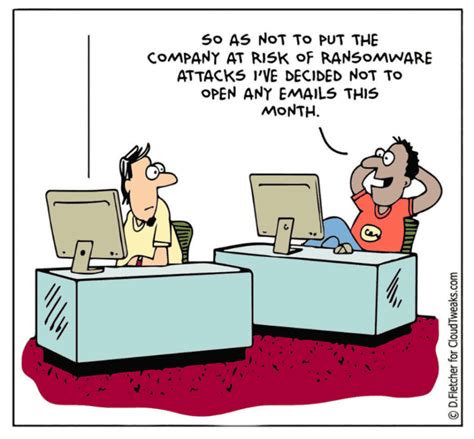
    In an era where ransomware attacks have risen to prominence with increased sophistication and frequency, organisations face a pressing need to fortify their cybersecurity measures. What was once a mere footnote in executive discussions has now transformed into a central concern across industries. High-profile incidents* demonstrate that the consequences of cybercrime extend far beyond financial implications; they imperil lives and livelihoods. While the risks are acknowledged, a gap persists in comprehending the security protocols required to both prevent and navigate these threats. A ransomware mitigation plan template that encompasses the before, during, and after phases of an attack can only be useful at this point.

    Before: Laying the Foundations

    Preparation is paramount in thwarting the growing threats posed by ransomware attacks. This phase, often overlooked by organizations with no prior exposure to such attacks, demands full company-wide commitment. To bolster defenses and ensure swift responses, consider the following five core areas:

    1. IT Hygiene: Prioritise data hygiene and a well-structured patch management program to deny threat actors the chance to exploit vulnerabilities. Critical patches should be deployed within 24 hours, while others should follow within 30 days.
    2. Multi-Factor Authentication: Combat weak password management practices by implementing multi-factor authentication, which adds an extra layer of security.
    3. Admin Credential Vaulting: Shield shared resources from vulnerabilities by vaulting admin credentials, ensuring passwords are auto-refreshed after each login.
    4. Consistent Logging: Maintain security and access logs to track indicators of compromise, aiding both preemptive identification and post-attack analysis.
    5. Fast Analytics: Employ real-time analytics on endpoints, networks, and users to identify suspicious behavior swiftly, enabling proactive threat eradication.
    6. Critical Employee Training: Establish Internet and email policies and impart targeted end-user awareness training. Extend training to executive management and boards through tabletop exercises for a comprehensive response strategy.

    During: Managed Response

    While the specifics of an organisation’s business continuity and disaster recovery plan will vary, certain universal steps must be taken. As an attack unfolds, implementing the following measures is crucial:

    1. Backup Communications Plan: Activate backup communication channels to inform leaders and stakeholders internally if primary systems are compromised.
    2. Emergency Response Team Mobilisation: Assemble an emergency response team comprising legal counsel, forensic experts, corporate communications, and relevant stakeholders.
    3. External Communications: Initiate external communication plans, informing authorities, cyber insurance providers, regulators, media, and affected parties promptly and accurately.
    4. Forensic Process Initiation: Begin the forensic process by triaging impacted devices, identifying the attack type, and determining severity to facilitate prompt patch application.

    After: Swift Recovery

    Following an attack, speed becomes paramount. In addition to prevention and response measures, effective recovery planning is essential. Key steps include:

    1. Prepared Recovery Environment: Maintain a staged, tested, and ready-to-deploy recovery environment to ensure rapid restoration of operations post-attack.
    2. Informed Decision on Ransom: In some cases, deciding whether to pay a ransom becomes necessary. Regardless of the decision, minimising damage and expediting restoration are paramount.
    3. Recovery Kit Availability: Establish a secondary recovery kit for production devices that may be compromised, ensuring uninterrupted recovery efforts.
    4. System Prioritisation: Based on your response plan, prioritise which systems to recover first, considering application dependencies.
    5. Collaboration with Authorities: Collaborate with regulatory agencies and authorities during the restoration process, ensuring compliance and proper procedures.
    6. Constant Communication: Maintain transparent communication with all stakeholders, including employees, customers, investors, and partners throughout the recovery process.

    Looking Ahead

    In today’s landscape, expecting an organisation to remain untouched by cyberattacks or breaches is naive. Cyber criminals continuously innovate, making ransomware attacks more sophisticated and damaging. While we cannot predict the next major attack, proactive cybersecurity strategies remain our strongest defense. By adhering to a comprehensive ransomware mitigation plan that encompasses prevention, response, and recovery phases, organisations can bolster their resilience against evolving cyber threats.

    *Colonial Pipeline, Springhill Medical Center, and JBS Foods.

    Share this:

    • Share on X (Opens in new window) X
    • Share on Facebook (Opens in new window) Facebook
    Like Loading…
    SOL

    Assess – Investigate – Advise


      Discover more from SOL

      Subscribe to get the latest posts sent to your email.

    • Navigating Change: The Crucial Link Between Organisational Resilience and Business Continuity

      Navigating Change: The Crucial Link Between Organisational Resilience and Business Continuity

      In today’s dynamic and rapidly evolving business landscape, the ability to adapt to change, mitigate risks, and ensure uninterrupted operations has become paramount. The concepts of business continuity and organisational resilience have emerged as critical strategies that not only enable businesses to weather disruptions but also empower them to proactively adapt, grow, and thrive in the face of uncertainty.

      Organisational Resilience: The Backbone of Adaptation

      Organisational resilience goes beyond mere survival; it entails an organisation’s capacity to absorb shocks, respond effectively, and adapt swiftly to change. It’s not just about bouncing back from disruptions, but rather, it’s about evolving to become even stronger, an organization’s capacity to adapt, endure, and thrive in the face of disruptions, challenges, and uncertainties. It encompasses both strategic and operational aspects that empower a business to anticipate, prepare for, respond to, and recover from various adverse events. Resilience involves fostering a culture of preparedness, agility, and innovation. When a company focuses on building resilience, it’s better equipped to navigate challenges, seize opportunities, and create value in the midst of uncertainty.

      Key Elements of an Effective Business Continuity Plan

      A robust business continuity plan (BCP) serves as the blueprint for maintaining essential business functions during and after disruptions. Key elements of an effective BCP include:

      1. Risk Assessment and Business Impact Analysis: Understanding potential risks and their impact on critical business functions is essential. A comprehensive assessment helps identify vulnerabilities and prioritise resources.
      2. Strategy Development: Developing strategies to ensure the continuity of critical operations, resources, and processes during disruptions.
      3. Emergency Response Procedures: Outlining procedures and protocols to respond swiftly and efficiently to emergencies, including evacuation plans, emergency contacts, and immediate action steps.
      4. Communication Strategies: Transparent and timely communication both internally and externally during crises instills confidence and minimizes misinformation.
      5. Resource Management: Ensuring the availability of necessary resources such as technology, personnel, and facilities is vital to maintaining essential operations during disruptions.
      6. Alternative Work Arrangements: Remote work setups and alternative workspace options ensure business operations can continue even when physical locations are compromised.
      7. Testing and Training: Regularly testing the BCP through simulations and training exercises to identify gaps and areas for improvement and to prepare employees to act swiftly and effectively in high-stress situations.

      Effective Management and Communication Strategies

      In times of disruption, clear and timely communication is paramount. Establishing a designated crisis management team and communication hierarchy can streamline decision-making and information dissemination. Transparent and empathetic communication with stakeholders, including employees, customers, suppliers, and regulatory bodies, fosters trust and minimises uncertainties.

      Effective management during disruptions is crucial to maintaining business continuity. Key strategies include:

      1. Clear Leadership: A designated crisis management team with defined roles and responsibilities guides decision-making and actions.
      2. Decentralised Decision-Making: Empowering front-line employees to make quick decisions within predefined parameters speeds up responses.
      3. Adaptive Leadership: Flexibility and adaptability in leadership style allow for dynamic responses to evolving situations.
      4. Stakeholder Communication: Regular and transparent communication with employees, customers, suppliers, and regulatory bodies helps manage expectations.

      Integrating Resilience Processes for Informed Decision-Making

      An organisation’s capacity to make informed decisions during crises or rapid changes hinges on its resilience processes. These processes include:

      1. Scenario Planning: Creating multiple scenarios to anticipate potential disruptions and crafting adaptive strategies for each scenario.
      2. Agile Informed Decision-making: Cultivating a culture where decisions can be made swiftly, adjusting as new information emerges. A resilient organisation uses risk assessments and scenario planning to inform strategic decisions.
      3. Data-Driven Insights: Leveraging data analytics to gain insights into changing dynamics and behaviors.
      4. Anticipate Opportunities: A resilient organisation can spot emerging trends and capitalise on them swiftly.
      5. React to Threats: A proactive approach enables faster responses to threats, reducing potential damage.

      Real-life Case Studies: Showcasing Resilience in Action

      1. Toyota: Following the 2011 earthquake and tsunami in Japan, Toyota demonstrated resilience by swiftly adapting production processes, securing alternative supply chains, and resuming production within weeks. Their diversified supply chain strategy minimised disruptions, emphasising the importance of robust risk management.
      2. Amazon: Amazon’s sophisticated logistics network and cloud services played a pivotal role in maintaining operations during the COVID-19 pandemic, meeting increased demand for online shopping and remote work solutions.
      3. Airbnb: When regulatory challenges emerged in various markets, Airbnb showcased resilience by diversifying its offerings and adapting its business model to cater to changing consumer preferences.
      4. IBM: In the 1990s, IBM underwent a transformation from hardware-centric to a services-oriented company. This adaptability showcased their organizational resilience by capitalising on changing market dynamics.
      5. Marriott International: After a massive data breach in 2018, Marriott demonstrated effective communication by promptly notifying affected customers, showing their commitment to transparency and accountability.

      In conclusion, the symbiotic relationship between organisational resilience and business continuity cannot be overstated. An organisation’s ability to anticipate and navigate change, respond effectively, and embrace opportunities and mitigate risks not only safeguards an organisation’s reputation but also lays the foundation for long-term success. A well-crafted business continuity plan, combined with adept management and communication strategies, empowers businesses to not only survive disruptions but to emerge stronger and more agile.

      By integrating these principles into daily operations and learning from real-life case studies, businesses can pave the way for a brighter, more resilient future.

      Share this:

      • Share on X (Opens in new window) X
      • Share on Facebook (Opens in new window) Facebook
      Like Loading…
      SOL

      Assess – Investigate – Advise


        Discover more from SOL

        Subscribe to get the latest posts sent to your email.

      • Fortifying the Backbone: Navigating Supply Chain Resilience in a Complex World

        Fortifying the Backbone: Navigating Supply Chain Resilience in a Complex World

        In the intricate tapestry of global commerce, supply chains stand as the vital arteries that ensure the flow of goods and services. The recent years, however, have underscored the need for a comprehensive approach to supply chain management—one that encompasses risk assessment, resilience strategies, and agile responses to disruptions.

        The Essence of an Integrated Approach: Supply Chain Resilience

        Integrated Risk and Resilience Management: A resilient supply chain is one that thrives amidst adversity and swiftly adapts to disruptions. To achieve this, organisations must adopt an integrated approach that combines risk assessment, proactive planning, and strategic agility. The symbiotic relationship between risk management and resilience enables businesses to anticipate, absorb, and navigate disruptions with greater finesse.

        By identifying risks across all tiers of the supply chain, organisations can proactively fortify their operations against potential disruptions, ensuring business continuity even in the face of adversity.

        Global Risks and Challenges: The modern supply chain is a global web, and it is vulnerable to a multitude of global risks—natural disasters, geopolitical conflicts, regulatory changes, economic uncertainties, and more that can send ripples through supply chains, exposing vulnerabilities. The COVID-19 pandemic, a stark reminder of the supply chain’s fragility, disrupted operations and exposed vulnerabilities in unforeseen ways, revealing the lack of resilience in many organisations. These challenges necessitate proactive risk mitigation strategies and adaptable frameworks that can navigate the ever-evolving landscape.

        Strategies for Supply Chain Resilience:

        1. Diversification and Redundancy: Over reliance on a single supplier or location can amplify risks. Diversifying suppliers and geographies can mitigate vulnerabilities. Redundancy in critical components can ensure continuity during shortages.
        2. Collaborative Relationships: Strong relationships with suppliers and partners facilitate open communication and the exchange of vital information during disruptions and times of crisis. Sharing information and coordinating responses can expedite recovery.
        3. Flexibility and Agility: Agile supply chains are equipped to adapt swiftly to disruptions. A flexible approach allows for quick adjustments to production, sourcing, and distribution strategies.
        4. Predictive Analytics and Technology: Harness the power of data and predictive analytics to identify potential disruptions early. Leveraging technology can enhance visibility and traceability across the supply chain, enabling swift responses to disruptions and timely decision-making.
        5. Scenario Planning: Develop contingency plans for various disruption scenarios, ensuring rapid response and recovery actions can be executed.
        6. Supply Chain Mapping: Visualize your supply chain network comprehensively, enabling a deeper understanding of dependencies and potential weak points.

        Real-Life Case Studies: Lessons in Resilience and Learning from Experience

        1. Toyota’s Tsunami Response: The 2011 tsunami in Japan disrupted Toyota’s supply chain significantly. Toyota’s strong supplier relationships and flexible production approach allowed them to recover quickly, minimizing disruptions.
        2. Nike’s Agility Amidst Tariffs: The trade tensions between the U.S. and China prompted Nike to shift its production and sourcing strategy swiftly. Their robust risk management and flexible supply chain strategies allowed them to navigate these challenges successfully.
        3. Apple’s Supplier Resilience: Apple’s supplier network spans the globe, making them susceptible to various risks. They responded by working closely with suppliers to build resilience, fostering collaboration and ensuring continuity.
        4. Coca-Cola’s Water Shortage Response: Amid water scarcity concerns, Coca-Cola devised strategies to reduce water usage in its beverages, safeguarding its production and reputation.
        5. COVID-19: Unmasking Resilience: Some organisations, like Apple and Procter & Gamble, rapidly shifted production to meet surging demand for essential products during the pandemic, showcasing agility and resilience.

        Conclusion: Forging a Resilient Path Ahead

        In an era of volatility, uncertainty, and complexity, organisations must not only optimize their supply chains for efficiency but also prepare them for resilience. By embracing an integrated risk and resilience management approach, aligning strategies with global challenges, and implementing robust resilience measures, organisations can be better equipped to navigate disruptions and continue to thrive. The lessons from real-world examples underscore the transformational impact of supply chain resilience—a vital component of a forward-looking, adaptable business strategy.

        Share this:

        • Share on X (Opens in new window) X
        • Share on Facebook (Opens in new window) Facebook
        Like Loading…
        SOL

        Assess – Investigate – Advise


          Discover more from SOL

          Subscribe to get the latest posts sent to your email.

        • Mastering Critical Incident Management: Strategies for Effective Responsiveness

          Mastering Critical Incident Management: Strategies for Effective Responsiveness

          In the fast-paced world of business and beyond, unforeseen critical incidents can strike with little warning, potentially causing chaos and disruption. The key to minimising the impact lies in mastering critical incident management and responsiveness. In this article, we delve into the essence of critical incidents, explore strategies for effective response, highlight the importance of preparedness, discuss tools and techniques for incident management, and present real-world examples from diverse sectors.

          Understanding Critical Incidents

          Critical incidents are sudden, unexpected events that have the potential to cause severe disruption, harm, or damage to an organisation, its employees, stakeholders, and even society at large. These incidents can span a wide spectrum, from natural disasters and cyberattacks to industrial accidents and public health crises. The hallmark of a critical incident is its potential to overwhelm an organization’s regular operational capacity.

          Strategies for Effective Incident Response

          • Immediate Action: Swiftly assess the situation, prioritise response efforts, and activate pre established crisis management teams to ensure a coordinated and effective response;
          • Clear Communication: Transparent and timely communication with stakeholders is crucial. Provide accurate information while acknowledging any uncertainties to maintain trust;
          • Resource Allocation: Allocate resources efficiently to address the incident’s impact and work toward resolution. This may involve reallocating personnel, funds, and equipment;
          • Containment and Mitigation: Implement measures to contain the incident’s effects and prevent further escalation. This could range from isolating affected systems during a cyberattack to evacuating a site during a chemical spill;
          • Collaboration: Forge alliances with external partners, government agencies, and experts to access additional resources and expertise;
          • Continuity Planning: Maintain essential operations through a business continuity plan to ensure that critical functions continue despite the incident.

          Preparedness and Planning

          A proactive approach to critical incident management involves meticulous preparedness and planning:

          • Risk Assessment: Identify potential critical incidents that could impact your organisation. Evaluate their likelihood and potential impact;
          • Crisis Management Team: Assemble a cross-functional team responsible for leading and coordinating the organisation’s response efforts;
          • Incident Response Plan: Develop a comprehensive plan detailing the step-by-step response process for various critical incidents;
          • Regular Training and Drills: Train employees on their roles during a crisis and conduct simulated exercises to assess the organisation’s readiness;
          • Communication Protocols: Establish communication protocols, including key messages, designated spokespersons, and channels of communication.

          Tools and Techniques for Effective Incident Response

          • Incident Management Software: Specialised software aids in tracking incidents, allocating resources, and maintaining a central repository of incident-related information;
          • Communication Platforms: Use tools that facilitate real-time communication and collaboration among response teams, ensuring timely updates;
          • Data Analytics: Leverage data analytics to assess the incident’s impact, identify patterns, and make informed decisions;
          • Simulation Tools: Conduct tabletop exercises and simulations to evaluate the efficacy of response plans and identify areas for improvement.

          Real-World Examples

          • Deepwater Horizon Oil Spill: One of the largest environmental disasters, this incident compelled BP to collaborate with governmental bodies and experts to contain the spill’s ecological and economic impact;
          • WannaCry Ransomware Attack: This global cyberattack in 2017 affected hundreds of thousands of computers in over 150 countries. Organisations responded by isolating infected systems and collaborating with security experts to decrypt data;
          • Fukushima Nuclear Disaster: Following the 2011 earthquake and tsunami, the Fukushima nuclear plant faced a meltdown. Swift evacuation, communication with the public, and international cooperation were crucial;
          • COVID-19 Pandemic: Governments and organisations worldwide responded to the pandemic by implementing lock downs, remote work strategies, and vaccine distribution plans.

          Conclusion

          In an unpredictable world, mastering critical incident management is a necessity for any organisation’s survival and success. By understanding the nature of critical incidents, developing robust response strategies, prioritising preparedness, and employing effective tools and techniques, organisations can navigate even the most challenging of crises with resilience and poise. The lessons learned from past incidents and the constant evolution of incident management practices provide a roadmap for building a safer and more resilient future.

          Share this:

          • Share on X (Opens in new window) X
          • Share on Facebook (Opens in new window) Facebook
          Like Loading…
          SOL

          Assess – Investigate – Advise


            Discover more from SOL

            Subscribe to get the latest posts sent to your email.

          • Unicorns Legends and Mythology, and the relation to Cyberthreats.

            Unicorns Legends and Mythology, and the relation to Cyberthreats.

            In an opening paragraph by SAI360, “You’re never crossing paths with a unicorn: it’s the stuff of legends and mythology. Unfortunately, we can’t say the same about cyberthreats. Cyberthreats aren’t just real; they are inevitable.” I found some inspiration to read further “How to Respond to the 2023 Cyberthreat Landscape by Jeremy D’Hoinne, John Watts, et al.

            I suggest the same… in my hole I found:

            The ever-evolving threat landscape keeps security experts on their toes, just like the quest for unicorns. To navigate this digital wilderness, it’s crucial to understand the current micro-trends and recommendations in various areas of cybersecurity.

            Threat Landscape Time Horizons Gap

            One of the significant challenges in cybersecurity is dealing with threats that emerge at different time horizons. Some threats develop rapidly, while others evolve more gradually. Identifying this gap allows organizations to prioritize their security efforts accordingly. Invest in continuous threat intelligence gathering and real-time monitoring to bridge this gap effectively. Continuous monitoring, threat intelligence, and predictive analytics can help identify potential threats before they fully materialize.

            Analysis of Malware-Ransomware

            Malware and ransomware continue to be persistent threats, with attackers constantly adapting their tactics. Micro trends in this domain include the rise of file-less malware, which operates in memory and evades traditional detection methods. Recommendations include implementing endpoint security solutions, user training, and robust backup and recovery plans.

            Evolving Phishing Tactics and Techniques

            Phishing attacks remain a favored entry point for cyber criminals. Micro trends reveal the use of AI-generated phishing content and highly personalized attacks. Counter these threats with employee awareness programs, email filtering tools, and multi-factor authentication (MFA) for all email accounts.

            Employee Account Takeover, Attacks Against MFA and Passwords

            Account takeovers are on the rise, targeting both employee and customer accounts. Attackers exploit weak passwords and vulnerabilities in MFA systems. Combat these threats by enforcing strong password policies, utilizing adaptive authentication, and conducting regular security awareness training.

            High-Momentum Threats, Customer Account Takeover

            High-momentum threats, such as customer account takeovers, demand immediate attention. Micro trends suggest the use of social engineering tactics to gain access to customer accounts. To counter this, employ real-time fraud detection and educate customers about safe online practices.

            Cloud Risks and API Abuse

            As businesses migrate to the cloud, cloud-related threats are on the rise. Attackers target APIs to breach cloud environments. Micro trends indicate API abuse and misconfiguration. Secure your cloud infrastructure with robust access controls, encryption, and regular security assessments.

            Targeted Attacks on Cyber-Physical Systems (CPS)

            Attacks on Cyber-Physical Systems (CPS) pose severe risks to critical infrastructure. Micro trends reveal an increased focus on CPS vulnerabilities. Protect against these threats with network segmentation, anomaly detection, and penetration testing of CPS.

            Uncertain Threats: Attackers Using AI

            The use of AI by attackers introduces uncertainty into the threat landscape. Micro-trends include AI-generated phishing emails and automated vulnerability scanning reflecting that AI-powered attacks are becoming more sophisticated. Defenders must employ AI for threat detection, anomaly detection, and automated incident response.

            Non-technology Threats

            Cybersecurity is not just about technology; it also involves human and organizational elements. Employee activism is a growing concern, with insider threats and leaks becoming more frequent. Micro-trends include hacktivism and whistle blowing. To address this, organizations should foster a culture of transparency and provide channels for employees to voice concerns.

            Conclusion

            The cybersecurity landscape is a dynamic and ever-changing field where the unexpected can occur at any time. By staying informed about micro trends, we can better prepare ourselves to confront both known threats and those that may emerge.

            Just as the search for unicorns continues to capture our imagination, the quest for absolute cybersecurity may remain elusive. However, by staying informed about the evolving threat landscape and implementing the recommended micro-trends, organizations can significantly enhance their defenses. In the ever-changing world of cybersecurity, being prepared is the closest thing we have to a unicorn: a rare and precious asset.

            Remember, the key to a resilient cybersecurity strategy is adaptability, continuous learning, and proactive measures to safeguard your digital assets against all potential adversaries, whether they be human or mythical.

            …and now back to Harry Potter.

            Share this:

            • Share on X (Opens in new window) X
            • Share on Facebook (Opens in new window) Facebook
            Like Loading…
            SOL

            Assess – Investigate – Advise


              Discover more from SOL

              Subscribe to get the latest posts sent to your email.

            • Navigating Third-Party Risks: A Strategic and Psychological Approach

              Navigating Third-Party Risks: A Strategic and Psychological Approach

              In today’s interconnected business landscape, third-party relationships have become an integral part of organisational success. These partnerships can boost efficiency, innovation, and competitiveness. However, they also introduce a range of risks that, if not managed effectively, can lead to significant problems. To safeguard your organisation, it’s crucial to adopt a strategic and thoughtful approach that encompasses both security and psychology. In exploring insights, perspectives, and parallels to the challenges businesses face when evaluating third-party risk, along with a checklist to support you in protecting your organisation from these threats.

              Insight into Third-Party Risks

              Beneficial third-party relationships can be a powerful asset to your organisation, enhancing its resilience in the face of adversity. These alliances can provide access to expertise, resources, and markets that may be otherwise inaccessible.

              Third-party risks can vary significantly, and failing to navigate them effectively can lead to isolation or disruption. Some risks may be easy to anticipate, while others can be hidden or emerge unexpectedly.

              Just as relationships evolve in our personal lives, third-party relationships also have a lifecycle. Learning to disengage gracefully from a third party, when necessary, is a vital skill to preserve your strategic network.

              Third-party risks are multi-dimensional, encompassing operational, financial, legal, and cybersecurity domains. A holistic approach is necessary to address these diverse challenges effectively.

              Building and maintaining a resilient third-party network requires advocacy skills. Ensuring that your organisation prioritises the importance of these relationships before a crisis strikes is crucial.

              Evaluate Beneficial Relationships

              Start by identifying third parties that align with your strategic objectives. Consider how their capabilities and expertise complement your own. Evaluate the potential impact of these alliances on your organisation’s ability to adapt and thrive in a changing environment.

              Checklist:

              1. Define your strategic objectives and assess how third-party relationships can support them;
              2. Identify potential partners whose strengths align with your organisation’s needs;
              3. Evaluate the track record and reputation of prospective third parties;
              4. Continuously monitor the performance and value of these relationships.

              Navigate Risk Dynamics

              Take a proactive approach to risk management by understanding the unique dynamics of each third-party relationship. Recognise that not all risks are equal and prioritise those that could have the most significant impact on your organisation.

              Checklist:

              1. Conduct a comprehensive risk assessment for each third-party relationship;
              2. Prioritise risks based on their potential impact on your organisation’s operations and reputation;
              3. Implement risk mitigation strategies tailored to the specific challenges posed by each third party;
              4. Establish clear communication channels to address issues as they arise.

              Master Relationship Cycles

              Perspective: Understand that not all relationships will last forever, and some may no longer align with your organisation’s goals. Mastering the art of disengagement while preserving goodwill can be as important as building the initial relationship.

              Checklist:

              1. Regularly review the relevance and value of each third-party relationship;
              2. Plan exit strategies in advance, including transition plans and communication strategies;
              3. Focus on the long-term benefits of a graceful exit, such as maintaining a positive reputation in the industry.

              Embrace Multi-Dimensional Risk

              Perspective: Recognise that third-party relationships can introduce risks in various aspects of your organisation. Be prepared to address operational disruptions, financial instability, legal disputes, and cybersecurity breaches.

              Checklist:

              1. Develop a comprehensive risk management framework that considers all potential risk domains;
              2. Collaborate with cross-functional teams to address risks comprehensively;
              3. Continuously monitor and assess the evolving risk landscape.

              Champion Your Strategy

              Perspective: Position yourself as a champion of third-party relationships within your organisation. Advocate for the resources and attention needed to manage these relationships effectively, even when everything seems to be running smoothly.

              Checklist:

              1. Communicate the strategic value of third-party relationships to key stakeholders;
              2. Develop a crisis communication plan to highlight the importance of these relationships in times of trouble;
              3. Regularly report on the performance and contributions of third-party alliances to senior management.

              Conclusion

              Evaluating and managing third-party risks is a complex task that requires a strategic, thoughtful, and practical approach. By understanding the dynamics of beneficial relationships, navigating risks effectively, mastering relationship cycles, embracing multi-dimensional risks, and championing your strategy, you can protect your organisation from third-party threats while enhancing its resilience and competitiveness in an ever-evolving business environment.

              SOL

              SOL

              Assess – Investigate – Advise

                Share this:

                • Share on X (Opens in new window) X
                • Share on Facebook (Opens in new window) Facebook
                Like Loading…
                SOL

                Assess – Investigate – Advise


                  Discover more from SOL

                  Subscribe to get the latest posts sent to your email.

                • Navigating the Depths of Psychological Security and Unwavering Organisational Continuity

                  Navigating the Depths of Psychological Security and Unwavering Organisational Continuity

                  At the crossroads of psychological security and the unyielding rhythm of organisational continuity, the symphony of investigation unfolds. Its purpose is an intricate dance, delving into the labyrinthine allegations, peering into the abyss of evidence, and sculpting the contours of misconduct into clarity. Here, shadows are dispelled, and truths emerge – of transgressions committed, of individuals involved, and the expansiveness of their impact.

                  But this pursuit of truth is more than mere inquiry; it is the crucible where the foundation of integrity and ethics is tested.

                  Stepping into the depths, the investigation transcends its initial bounds, an explorer of the uncharted realms. The tendrils of inquiry stretch outward, seeking further instances of potential misconduct, each with the power to reverberate through the corridors of clinical trials or the realm of public policy. The stakes escalate as the impact on human subjects and the broader public consciousness comes into focus. A symphony of fact-finding and accountability resounds where the findings are inscribed in a report.

                  Unveiling the Essence: Lessons Carved from the Heart of Review

                  From this unfolding saga, lessons emerge, distilled from the crucible of experience, where the tapestry of policy is woven through the fabric of human emotion. The review process, a journey of substantiation or refutation, stands resilient, indifferent to the motives of the accuser. Here, the focus remains steadfast on the alleged facts, separate from the personas of accuser and accused.

                  For the accused, this process, a crucible of scrutiny, holds the potential to unravel emotional fibers. Stress abounds, yet it can be assuaged through the light of clarity. Procedures must be laid bare, the cloak of confidentiality donned, and the timeline illuminated. Reassurance in the form of periodic updates nurtures a semblance of stability. Yet, as warmth and sympathy flow, a distinct line must be drawn—a guardian’s stance upheld, maintaining camaraderie without descending into camaraderie itself.

                  Crafting the Tribunal: Assembling the Right Alchemy

                  In this symposium of inquiry, the panel is paramount—guardians of truth and those who discern intent. The right alchemy must be forged. An external presence lends credibility, a representative from the domain of the accused contributes balance, while a voice from the broader institution reinforces impartiality. These selections, rooted in scholarly merit and unwavering integrity, must steer clear of the pitfalls of temperament mismatch.

                  A cautionary tale must be shared—of the arduous path the panel treads. The weight of their endeavor, the labyrinthine task, must be etched into their consciousness. The gravity of intent, standards of proof, and the essence of thoughtfulness are unveiled. Confidentiality, legal counsel, and the labyrinth of evidence are navigated. Each facet – integral, each step – prudent, in pursuit of the report’s sanctity.

                  The Sanctum of Impartiality: Guardians of the Process

                  A bastion must be erected, shielding the panel from administrative interference and the siren call of ex-parte communications. A solemn vow to preserve the process’s integrity, unwavering and unblemished.

                  Crafting the Arc of Inquiry: Guiding the Guardians

                  Clear mandates are etched into the panel’s path—a purpose unveiled and scope delineated. The right questions, the pertinent avenues, all nestled within the precise parameters of inquiry. Direction is the North Star, fending off aimless exploration, yielding cogent conclusions instead of nebulous whispers.

                  Preserving the Core: Anchoring the Process

                  Artifacts of truth must be safeguarded—records, specimens, whispers of discovery – secured against the threat of alteration. Delicate it is, an intrusion upon the sanctum of the accused and institution. Explanations must flow, understanding nurtured, as the rationale unfurls – protection is paramount, work uninterrupted.

                  In the realm of electronic correspondence, caution must reign. Transmissions of substance, drafts of reports, the conduits must be monitored, for integrity’s sake.

                  From Depths to Pinnacle: Psychological Vigilance Unveiled

                  This odyssey through the heart of psychological security and unwavering organisational continuity reveals a tapestry woven by diligence and tenacity. It’s not just an investigation; it’s the crystalline embodiment of an ethos—of truth, accountability, and the relentless pursuit of organisational integrity. As the investigation’s symphony crescendos, let its resonance ripple through your consciousness, fortifying the bastions of your institution against the tides of uncertainty.

                  SOL

                  SOL

                  Assess – Investigate – Advise

                    Share this:

                    • Share on X (Opens in new window) X
                    • Share on Facebook (Opens in new window) Facebook
                    Like Loading…
                    SOL

                    Assess – Investigate – Advise


                      Discover more from SOL

                      Subscribe to get the latest posts sent to your email.

                    • The Current State of Mental Health in the Workplace (Podcast 🎧)

                      The Current State of Mental Health in the Workplace (Podcast 🎧)

                      While we all know that the world has changed significantly, what you might not know is that the state of mental health in the workplace has also been adjusting to respond to it.

                      One of those changes was that in June of this year, the world’s first International Standard (ISO) to address Psychological health and safety at work were published.

                      To better understand what is happening with mental well-being and the workplace, Damon sat down with the Co-Founder of Unmind, Dr Nick Taylor.

                      <a href=https://art19.com/shows/culture-first/episodes/f5cbc754-15a6-40c4-b581-23bf3c673452/embed

                      In this episode, you’ll learn:

                      • The macro trends and policies impacting mental health in the workplace
                      • Why disclosure is such a complex subject when it comes to mental health
                      • How to focus on your mental wellness before supporting others on your team
                      • Tips for anyone who’s managing a team of humans in this complex environment

                      Links referenced in the episode:

                      • ISO Standard 45003
                      • Culture Amp & Unmind Partnership
                      • Culture First Global On Demand Content
                      🎧 🔗 The current State of Mental Health in the Workplace

                      SOL

                      SOL

                      Assess – Investigate – Advise

                        Share this:

                        • Share on X (Opens in new window) X
                        • Share on Facebook (Opens in new window) Facebook
                        Like Loading…
                        SOL

                        Assess – Investigate – Advise


                          Discover more from SOL

                          Subscribe to get the latest posts sent to your email.

                        • Unveiling the Hidden Threat: Safeguarding Your Enterprise through Vigilant Employee Off boarding

                          Unveiling the Hidden Threat: Safeguarding Your Enterprise through Vigilant Employee Off boarding

                          In the intricate dance of corporate security and the human psyche, the act of off boarding an employee, whether voluntary or involuntary, bears the potential to unmask insidious threats that may otherwise remain concealed. The routine may seem innocuous—devices surrendered, imaging and archiving executed—but lurking beneath the surface lies a perilous chasm of unexplored vulnerabilities. It’s time to venture beyond the mundane and delve into the uncharted territories of computer activity preceding an employee’s departure. The question echoes: Are you truly prepared?

                          In this relentless pursuit of safeguarding your enterprise, distance holds no dominion. Even amidst a landscape dominated by remote work, the relentless march of technology-driven espionage threatens to breach the ramparts of your digital fortress. Prepare to traverse the labyrinthine pathways of data exfiltration and the menacing specter of intellectual property theft. Brace yourself for revelations that will shatter preconceptions and empower your security arsenal.

                          Unmasking the Invisible: Strategies for Detecting Data Exfiltration and IP Theft

                          1. Probing the Web of Intrigue: As the electronic tendrils of your corporate network pulse with life, vigilance becomes paramount. Elevated network activity, manifesting as torrents of downloads and uploads, must not escape scrutiny. Within this maelstrom of data flux, shadows of malevolent intent often lurk, waiting to be exposed by your relentless vigil.
                          2. Eyes on the Unseen: Peering into the digital footprints of departing employees can yield unparalleled insights. Gaze upon the applications they dared to invoke, their journey through the virtual realm, and most crucially, their interaction with the sanctum of confidential network shares. It is in these whispered interactions that the secrets of their intent are whispered, ready to be deciphered by the discerning guardian.
                          3. Whispers of Betrayal: The tendrils of threat extend beyond the confines of the terminal. Did an external storage device, a modern-day Trojan Horse, ever breach the citadel? Unmask the machinations of covert data pilferage as you trace the sinister journey of these concealed conduits, poised to siphon the lifeblood of your enterprise.
                          4. The Cartography of Intent: Pinpointing the locus of activity transcends mere geography—it is the very essence of understanding the psyche at play. Unearth the places whence the actions of departing employees emanate: the familiar refuge of home, the battlefront of the office, or the enigmatic crossroads of public WiFi. Within these coordinates, motivations crystallize and vulnerabilities fester.

                          The marriage of security and psychology casts an indomitable shield around your fortress. The routine, no longer a shelter for complacency, transforms into a battlefield where resilience prevails. The solemn duty of off boarding now embraces the mantle of a sentinel, deciphering whispers of treachery and decoding the enigma of intent.

                          In this labyrinth of departure lies an opportunity—an opportunity to rise above the ordinary, to transcend the conventional. The sentinel, armed with knowledge, unearths the hidden currents that betray the harmony of the enterprise. As the embers of departure fade, let them illuminate a path to security unyielding and resilience unparalleled. Stand vigilant, for in the crucible of off boarding, the future of your enterprise is both forged and safeguarded.

                          And then… does it conflict with their privacy?

                          SOL

                          SOL

                          Assess – Investigate – Advise

                            Share this:

                            • Share on X (Opens in new window) X
                            • Share on Facebook (Opens in new window) Facebook
                            Like Loading…
                            SOL

                            Assess – Investigate – Advise


                              Discover more from SOL

                              Subscribe to get the latest posts sent to your email.

                            • Embracing ReEmbracing Resilience: The Power of Yielding, Adapting, and Growing Stronger

                              Embracing Resilience: The Power of Yielding, Adapting, and Growing Stronger

                              In the journey of life, we often find ourselves influenced by powerful metaphors and ideals that shape our beliefs and actions. Just like the concept of being “strong and sturdy like an Oak,” these attributes of resilience are passed down to us from generations before. However, in the chaos of life, we might have misunderstood and miscommunicated the true essence of resilience.

                              Resilience: The Misunderstood Virtue

                              Resilience is often associated with being tough, unwavering, and unyielding, like an Oak Tree standing tall in the face of adversity. It’s a trait that has been cherished, particularly in the traditional image of those who associate with being a “man” who feel they must be a pillar of support for their families. We need to recognise that this rigid perspective of resilience might be psychologically detrimental and could lead to feelings of insecurity. True resilience lies not in stubbornness but in adaptability.

                              Embracing the Nature of Water

                              Instead of being like a mighty Oak, let’s draw inspiration from water, as Bruce Lee eloquently suggested. Water has the incredible ability to take the shape of whatever vessel it finds itself in, yet it remains a powerful force. This fluidity enables water to navigate any obstacle in its path, be it a teapot, a bottle, or a tiny crack. Likewise, in our ever-changing and fast-paced reality, we can enhance our resilience by learning to yield and accept, not as a sign of giving up, but as a strategy to assess, adapt, and move forward.

                              The Willow: A Symbol of Resilience

                              The graceful Willow tree, with its flexible branches and deep-reaching roots, embodies the essence of resilience. Instead of asserting itself against the wind, it bends with it, ensuring its survival through the fiercest storms. The Willow teaches us the value of not always standing firm but adjusting ourselves according to the circumstances. It emphasizes the importance of maintaining boundaries while being forgiving and understanding.

                              The Art of Acceptance

                              Acceptance does not mean surrendering our values or allowing ourselves to be walked over. It is a practice of embracing reality as it is and using that understanding to navigate the waters of life. When nothing within us remains rigid, we can better identify the path forward, finding creative solutions and uncovering new possibilities. In these moments, we draw upon the strength of the Willow and the adaptability of Water.

                              Increasing Psychological Security

                              To bolster our psychological security and cultivate deeper resilience, we must tap into our core motivations during challenging times. It is essential to connect with our emotional drivers, focusing on what truly matters, and gaining perspective on the realities we face. By doing so, we can nurture our resilience and find the strength to withstand the storms that come our way.

                              RAWW** Conclusion

                              In a world that demands constant change and adaptability, it’s time to rethink our understanding of resilience. Let us embrace the lessons from water, the flexibility of the Willow, and the power of acceptance. By incorporating these elements into our lives, we can develop a more profound sense of psychological security and increase our resilience in the face of life’s uncertainties. As we flow through the currents of life, let us remember the wisdom of Bruce Lee‘s words: “Be water, my friend,” for it is in this fluidity that we find our true strength.

                              ** RAWW: Resilience, Acceptance, Willow, Water

                              SOL

                              SOL

                              Assess – Investigate – Advise

                                Share this:

                                • Share on X (Opens in new window) X
                                • Share on Facebook (Opens in new window) Facebook
                                Like Loading…
                                SOL

                                Assess – Investigate – Advise


                                  Discover more from SOL

                                  Subscribe to get the latest posts sent to your email.

                                Previous Page
                                1 2 3 4
                                Next Page
                                SOL

                                Assess – Investigate – Advise

                                Quick Links

                                🔗 Home
                                🔗 About Us
                                🔗 Contact
                                🔗 Services
                                🔗 Thoughts on Security

                                Copyright © 2023 SOL – All Rights Reserved.

                                • LinkedIn
                                • WhatsApp
                                • Mail

                                🔗 Website Terms

                                🔗 Privacy Policy

                                🔗 Cookie Policy

                                Keep Updated

                                Sign up to receive insights & articles.

                                Assess – Investigate – Advise

                                Read all posts ↓


                                Loading Comments...
                                 

                                  %d